Electra is an international periodical dedicated to all areas of culture, promoting dialogue between different artistic disciplines, humanistic knowledge and science, cultural theories and practices.

Electra #34
€11.00
Description
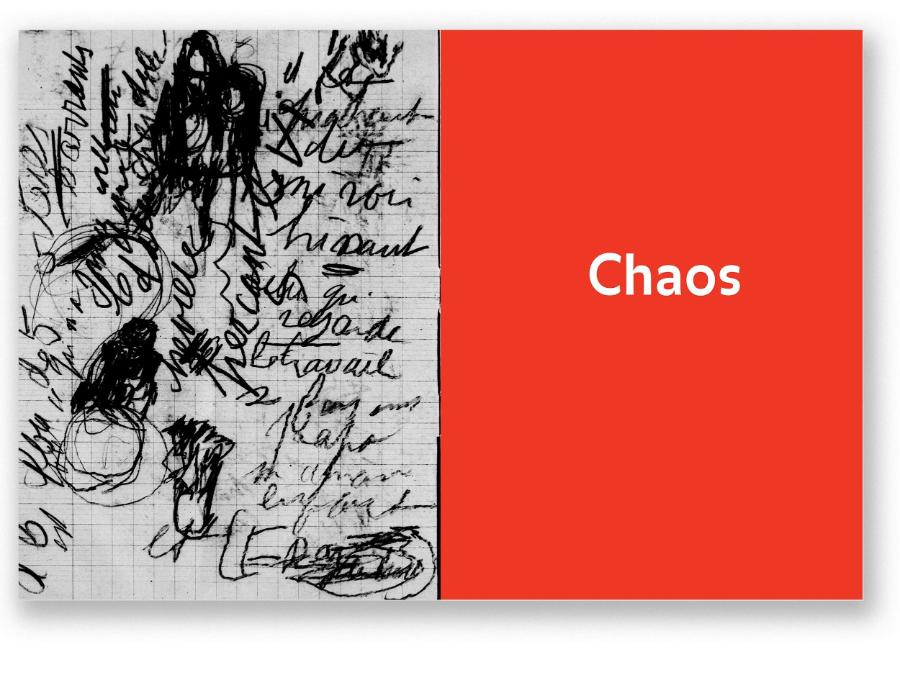
CHAOS
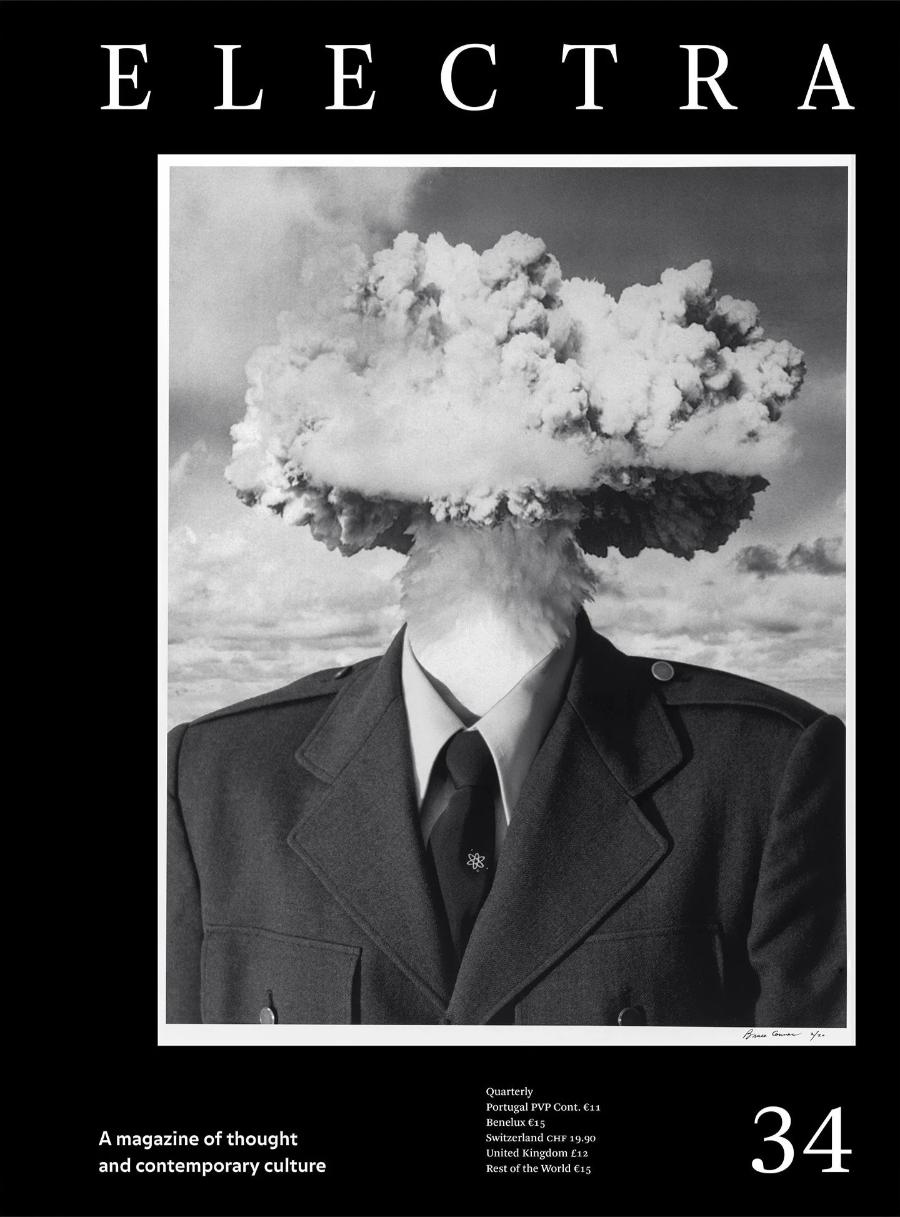
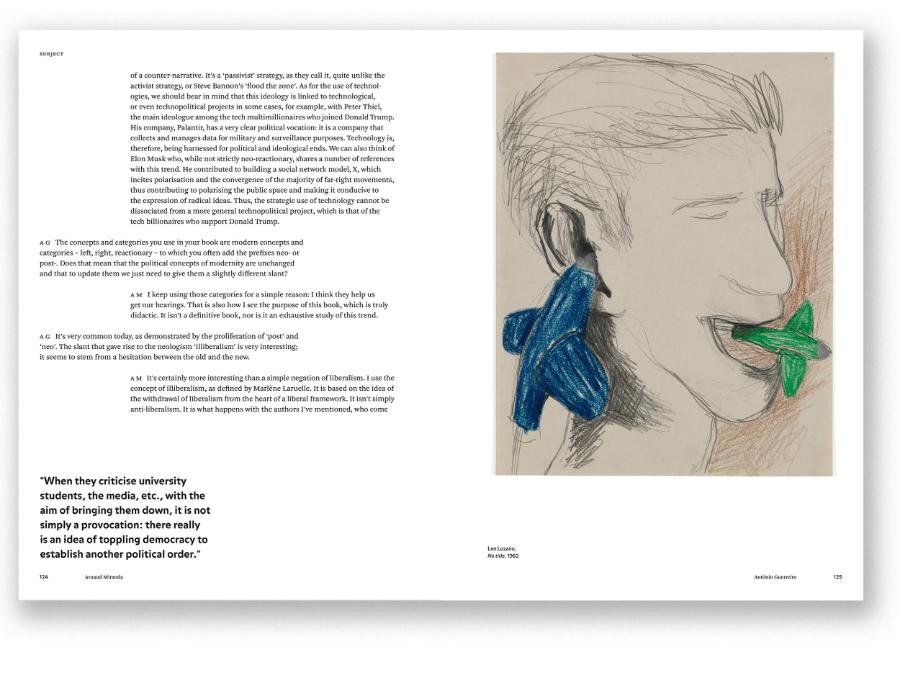
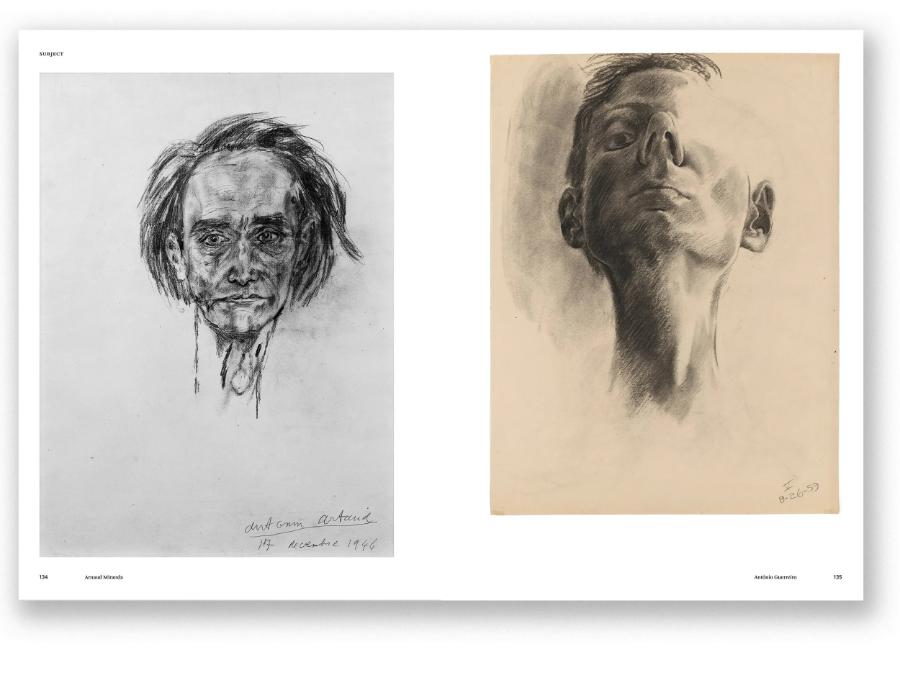
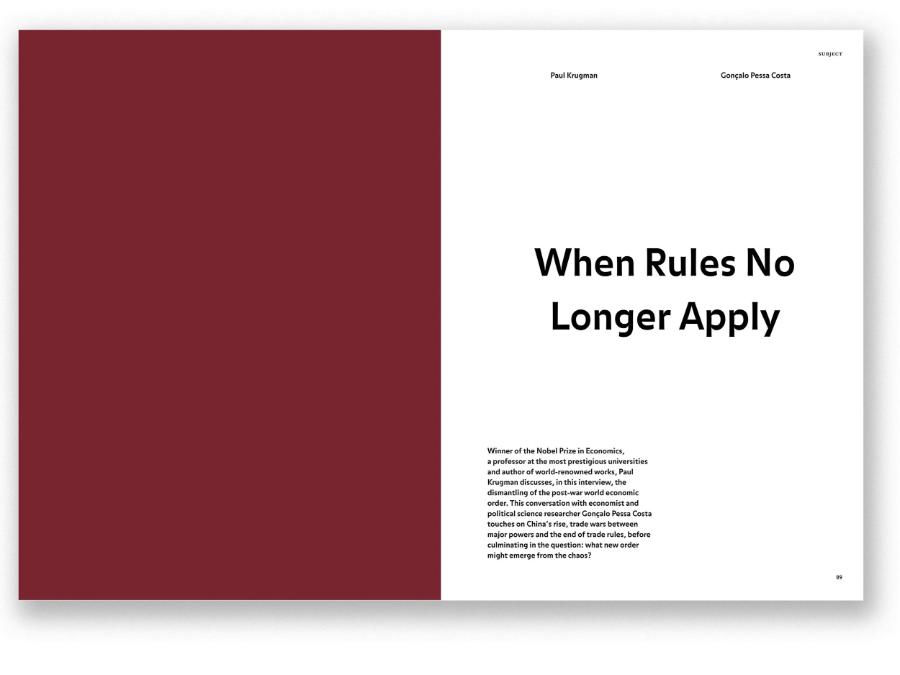
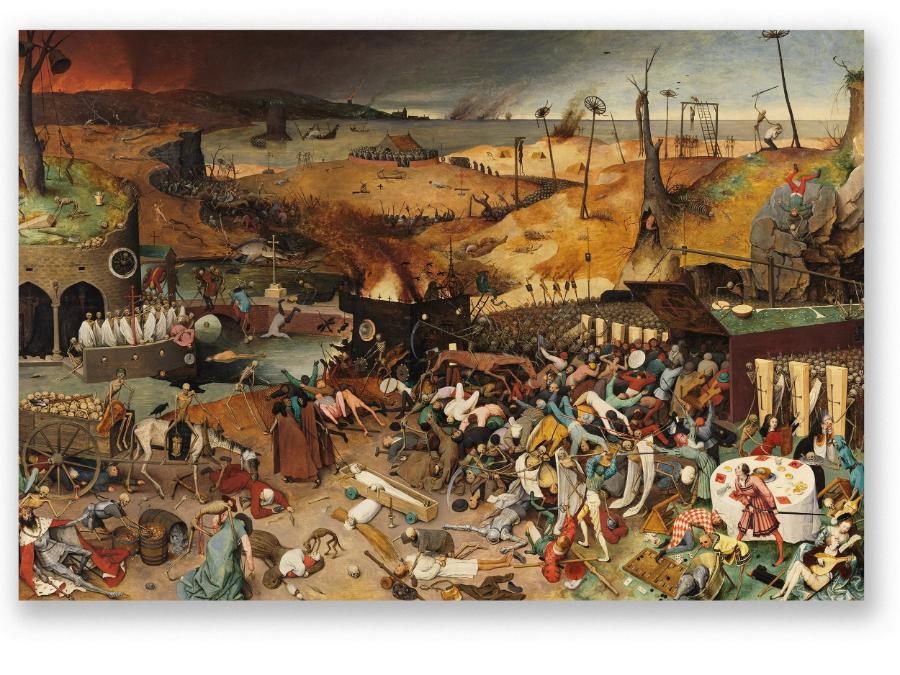
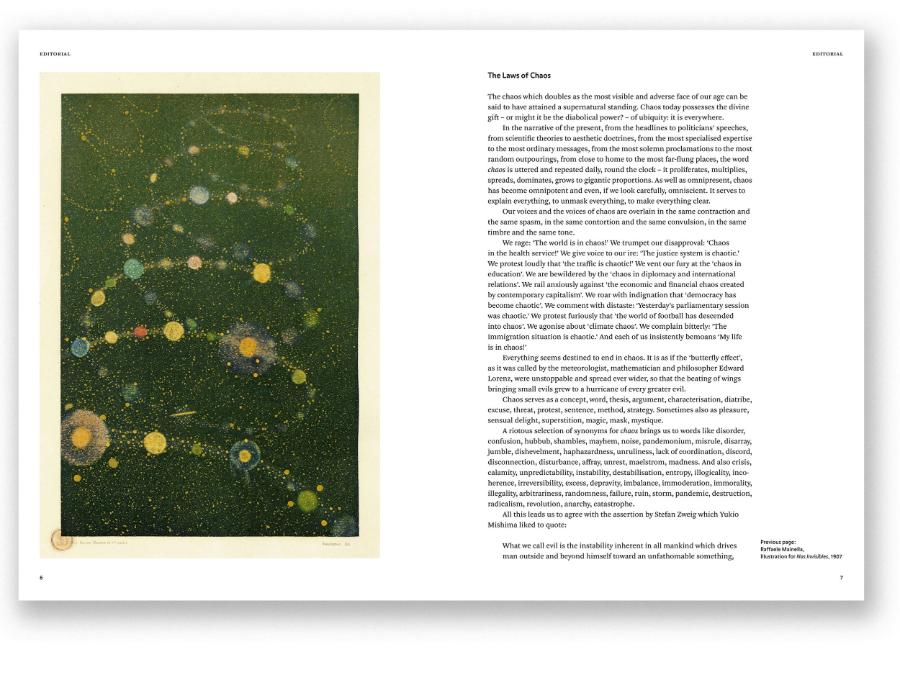
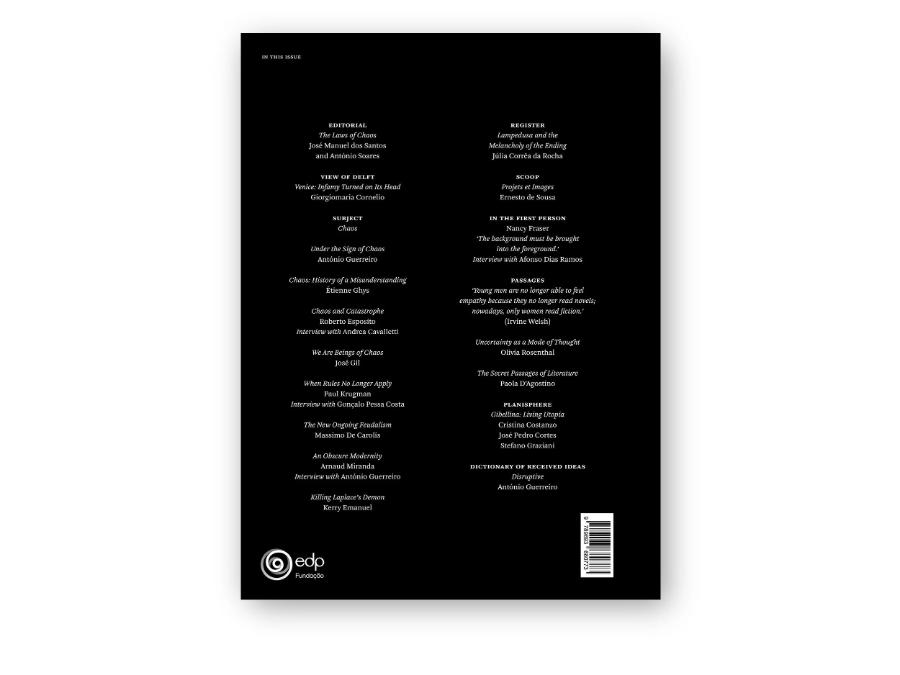
No longer a distant threat, but a defining feature of our times, ‘Chaos’ is the central theme of issue 34 of Electra. It is eroding political, economic, social, scientific and cultural institutions and fuelling instability in democracies that, until recently, we believed to be firmly established. It renders the geostrategic landscape unstructured, with the outbreak of wars we cannot even name. Everything tends towards extremes: climate, technology, the city, wealth concentration. And it is there that chaos bursts forth, giving rise to visions of catastrophe and the end of times. To reflect on the various manifestations of chaos that have taken hold in our time, this issue brings together interviews with Nobel Laureate in Economics Paul Krugman, Andrea Cavalletti, Arnaud Miranda, Gonçalo Pessa Costa, and Roberto Esposito, as well as texts by Étienne Ghys, José Gil, Kerry Emanuel, and Massimo de Carolis.
The issue also includes an interview with the renowned author on political philosophy and critical theory, Nancy Fraser; in conversation with Afonso Dias Ramos, she highlights some of the key political and social issues in an era marked by radicalism, instability and populism.
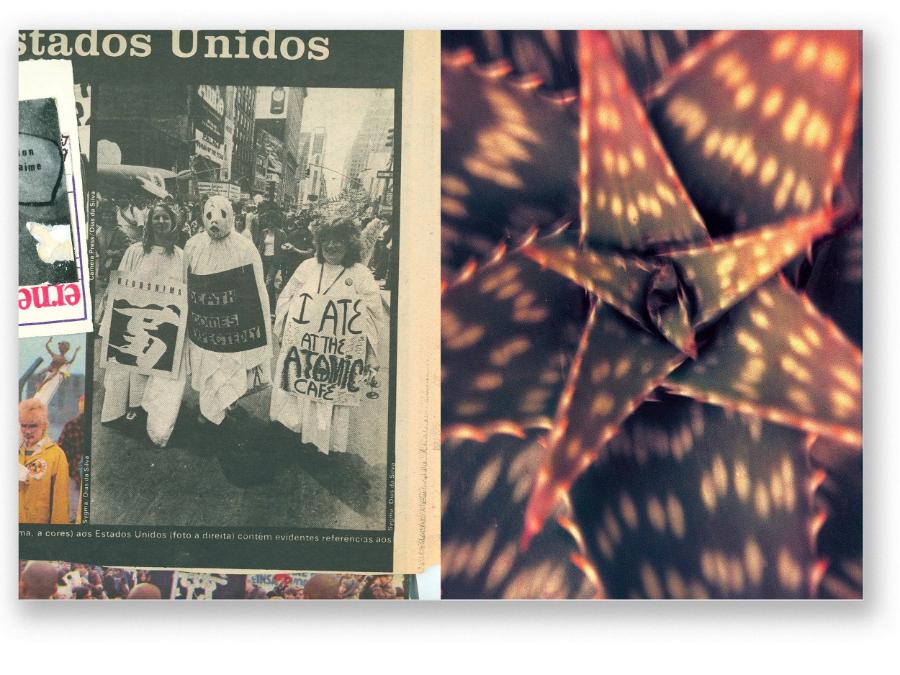
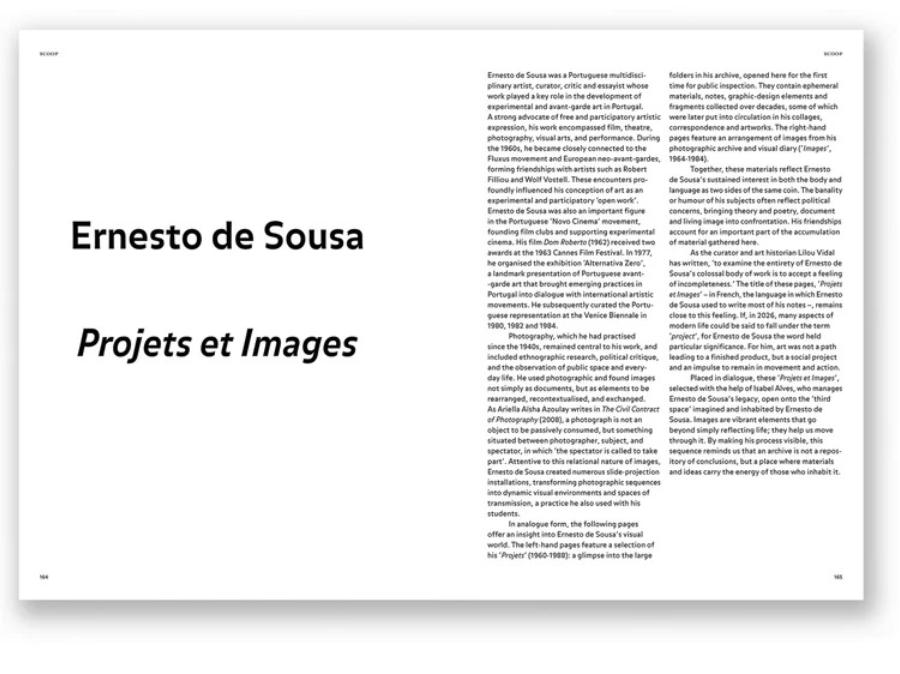
Also featured are previously unpublished materials from the archive of the artist and critic Ernesto de Sousa (1921–1988), which prove to be a vibrant space for experimentation. Photographs, notes and fragments, spanning decades of work, bring together art and life, document and poetry, body and language.
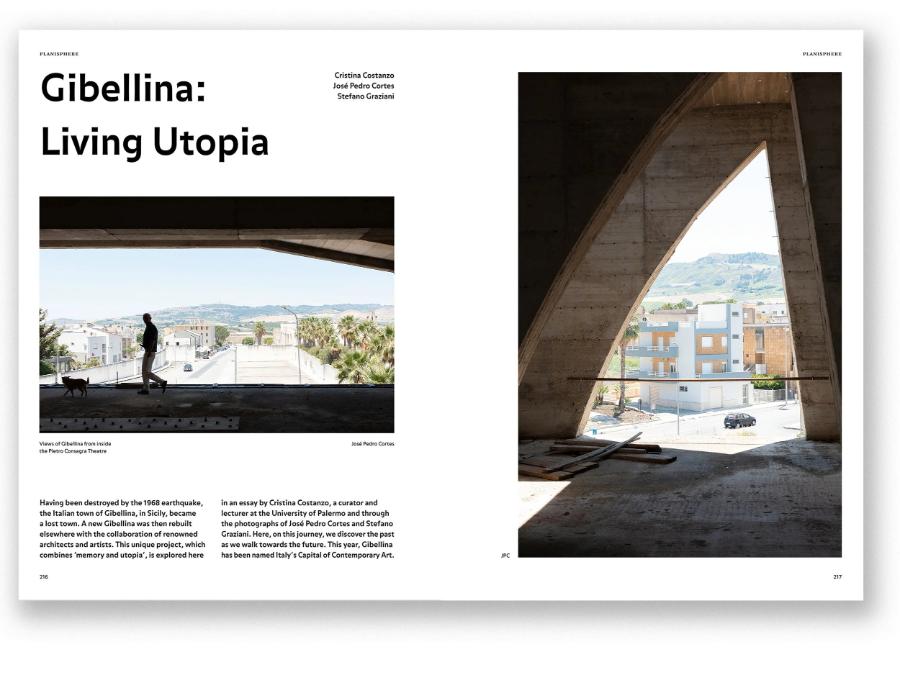
In the ‘Planisphere’ section, we visit the Italian town of Gibellina, destroyed by an earthquake in 1968 and rebuilt in a new location with the collaboration of renowned architects and artists. Through the text by curator and professor Cristina Costanzo and the images by photographers José Pedro Cortes and Stefano Graziani, we observe how, as we walk towards the future, we discover the past.
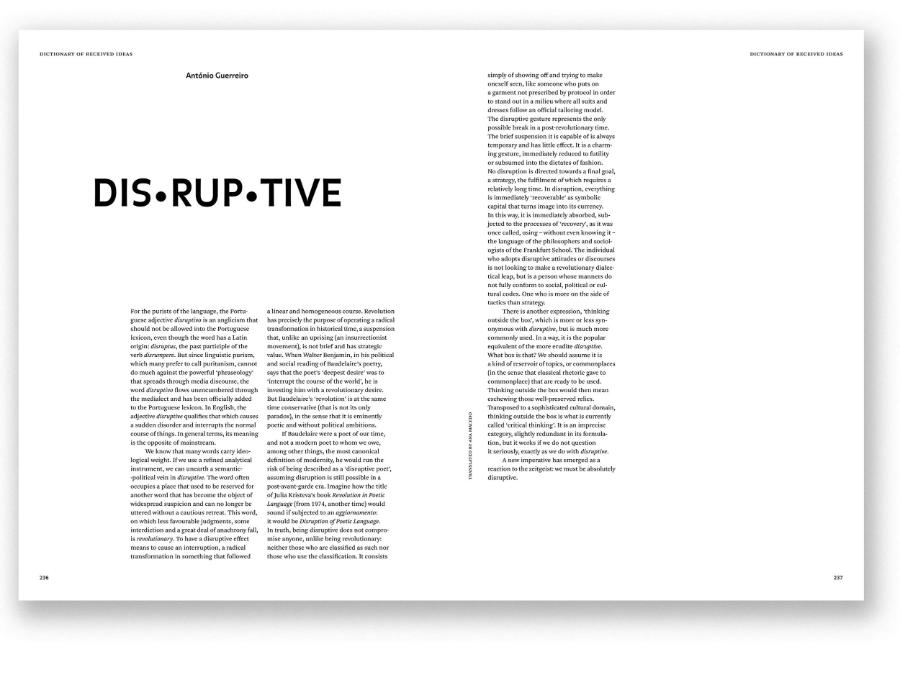
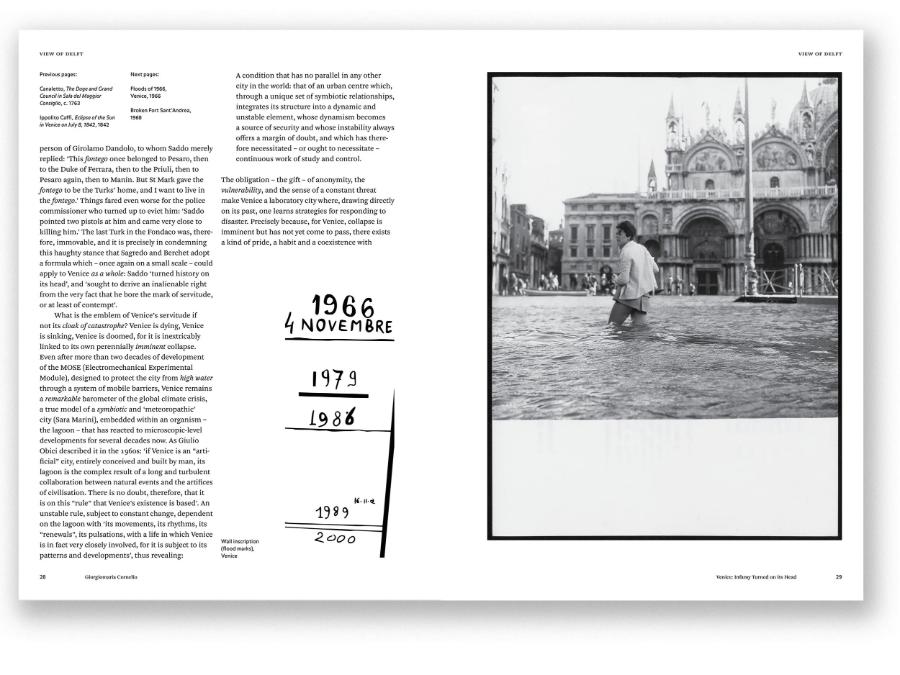
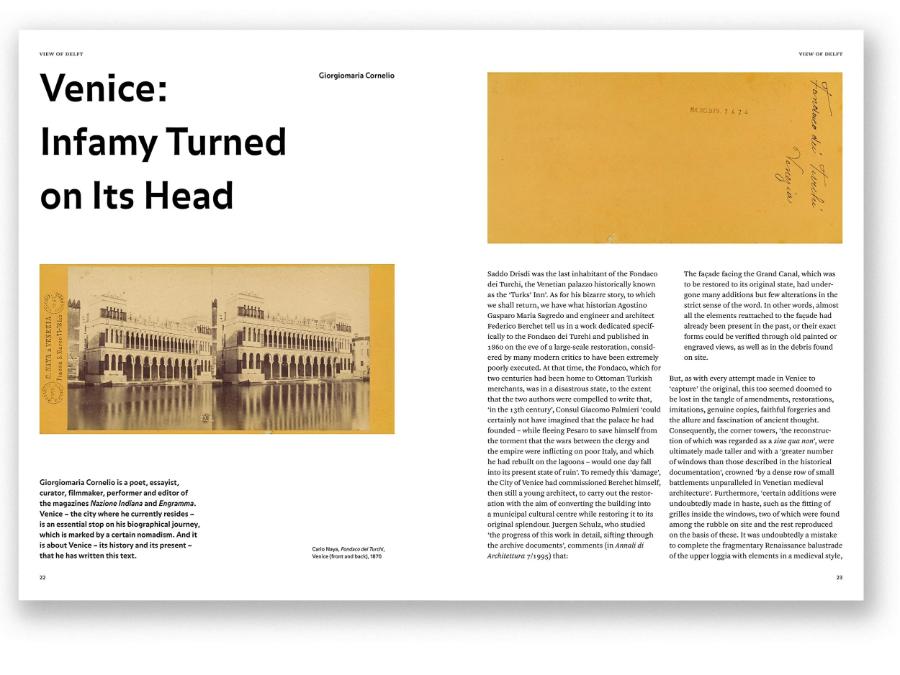
Also in this issue, Brazilian essayist, literary critic and journalist Júlia Corrêa da Rocha introduces us to the life and work of the fascinating figure of Giuseppe Tomasi di Lampedusa, author of the novel The Leopard; poet, essayist, curator and filmmaker Giorgiomaria Cornelio explores the history and present-day life of the city of Venice; two writers, Olivia Rosenthal and Paola D’Agostino, comment on a quote by Irvine Welsh, author of Trainspotting, who associates reading novels with the ability to foster empathy; and Electra’s editor, António Guerreiro, writes about the word ‘disruptive’.
Additional information
| Weight | 0.9 kg |
|---|---|
| Frequency | |
| Language | |
| Origin | |
| Pages |
Related products



Updating…