Anima gets beneath the surface of design, whilst understanding that appearances matter too. It is interested in what things mean, as well as how they look. As appealing to the professional as to the enthusiast, it understands that design never stands still and embraces the most vital issues. Its perspective is global and predictive.

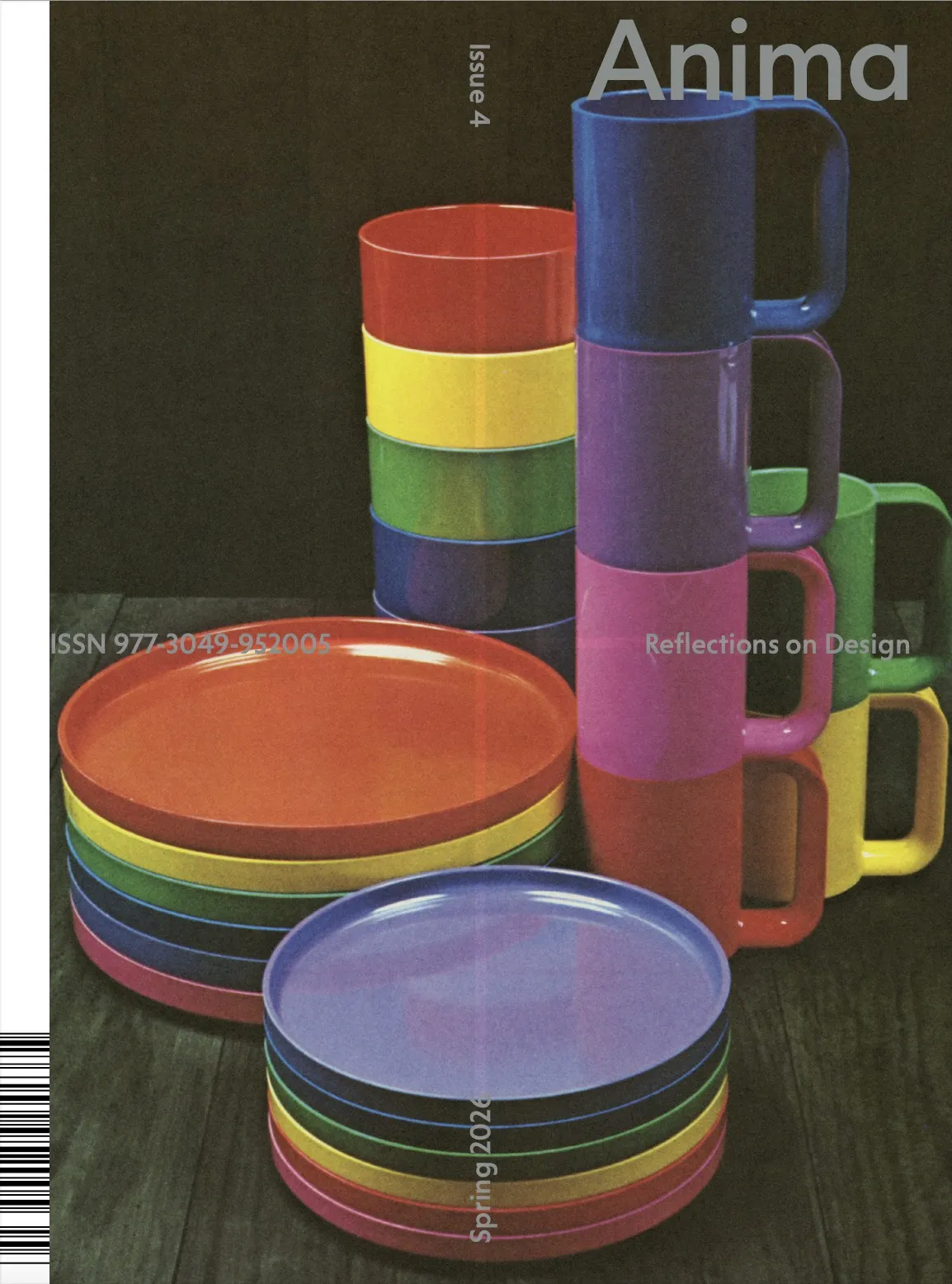
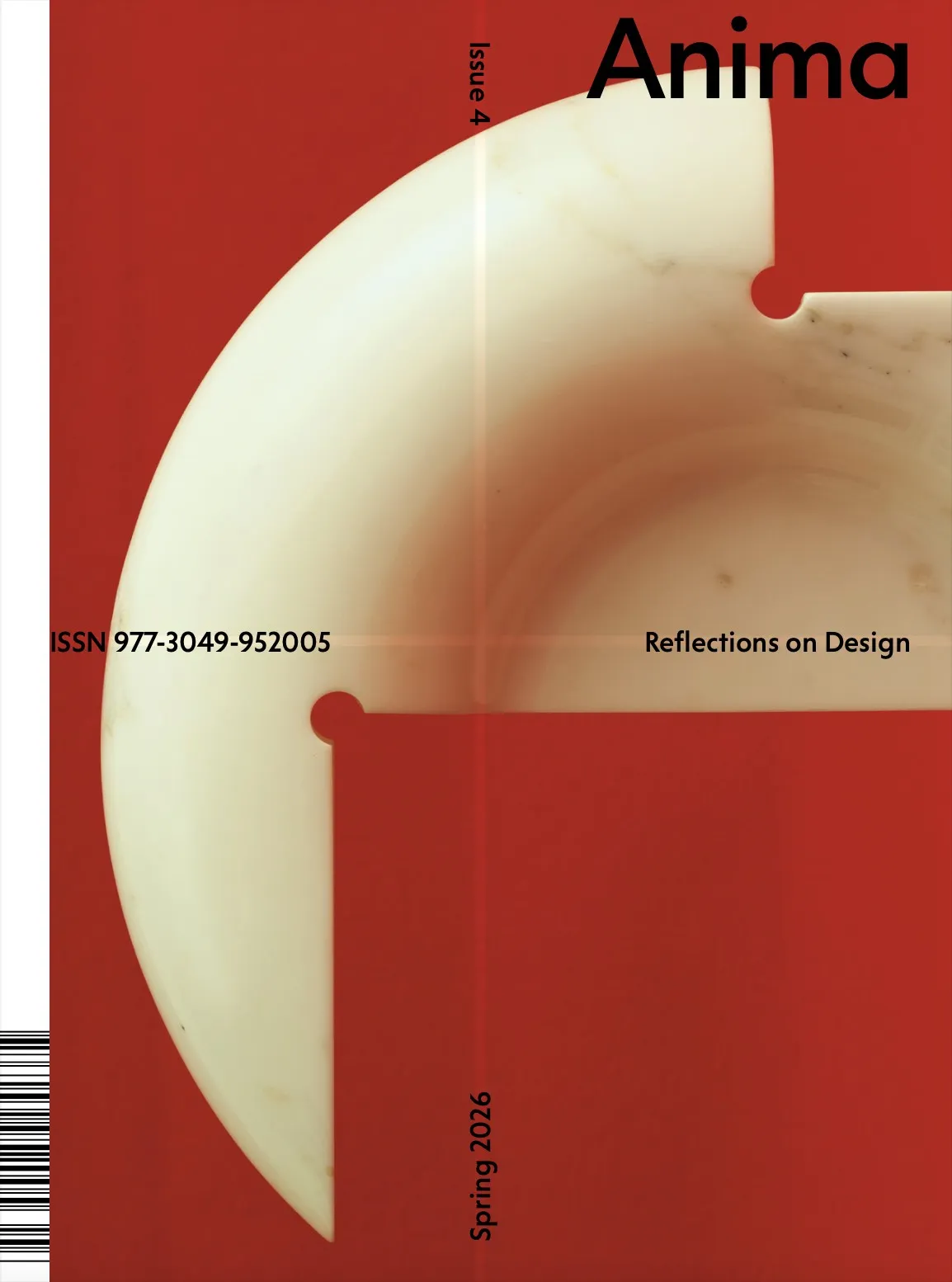
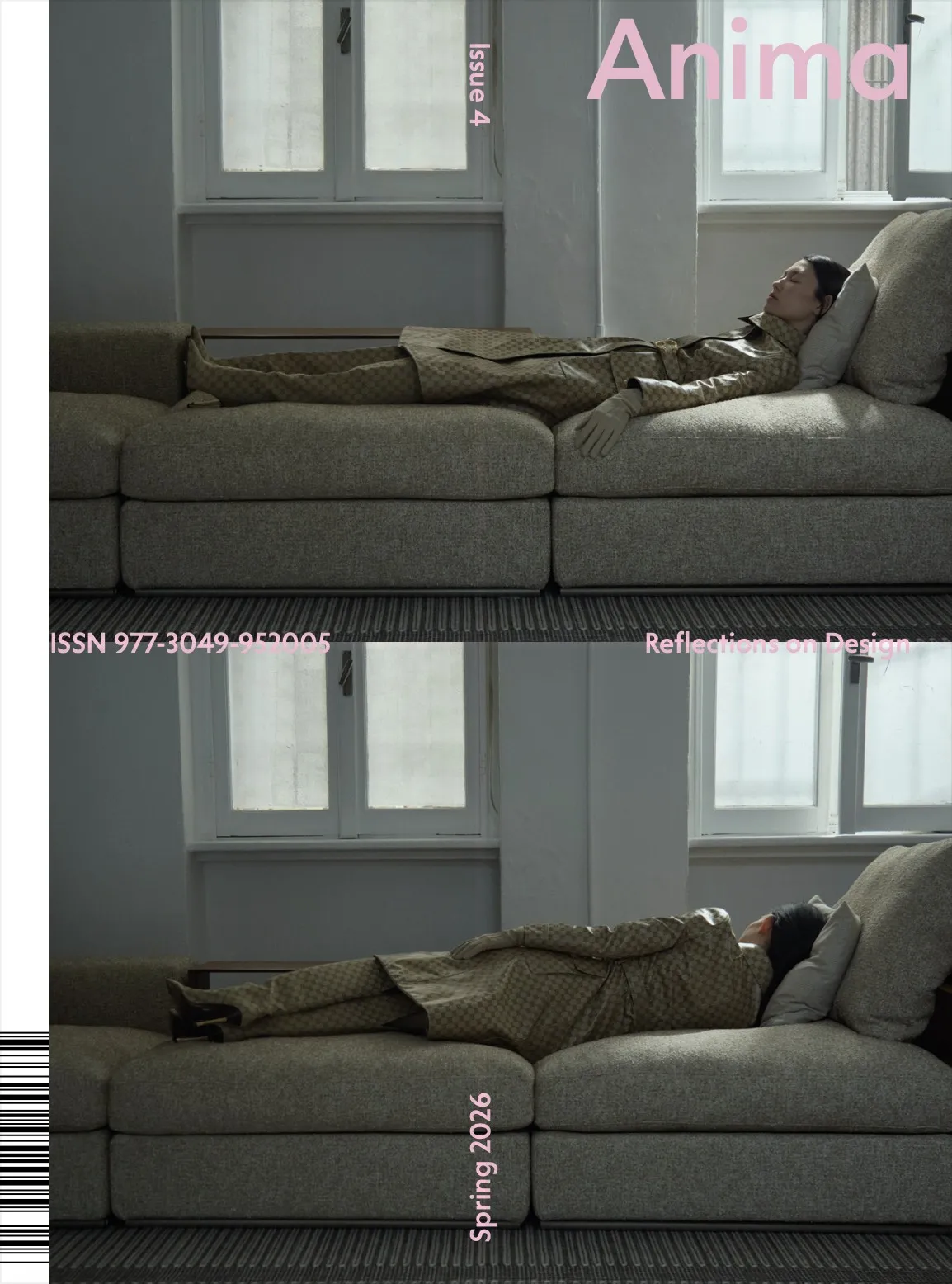
Anima #4
€18.00
Coming Soon
Description
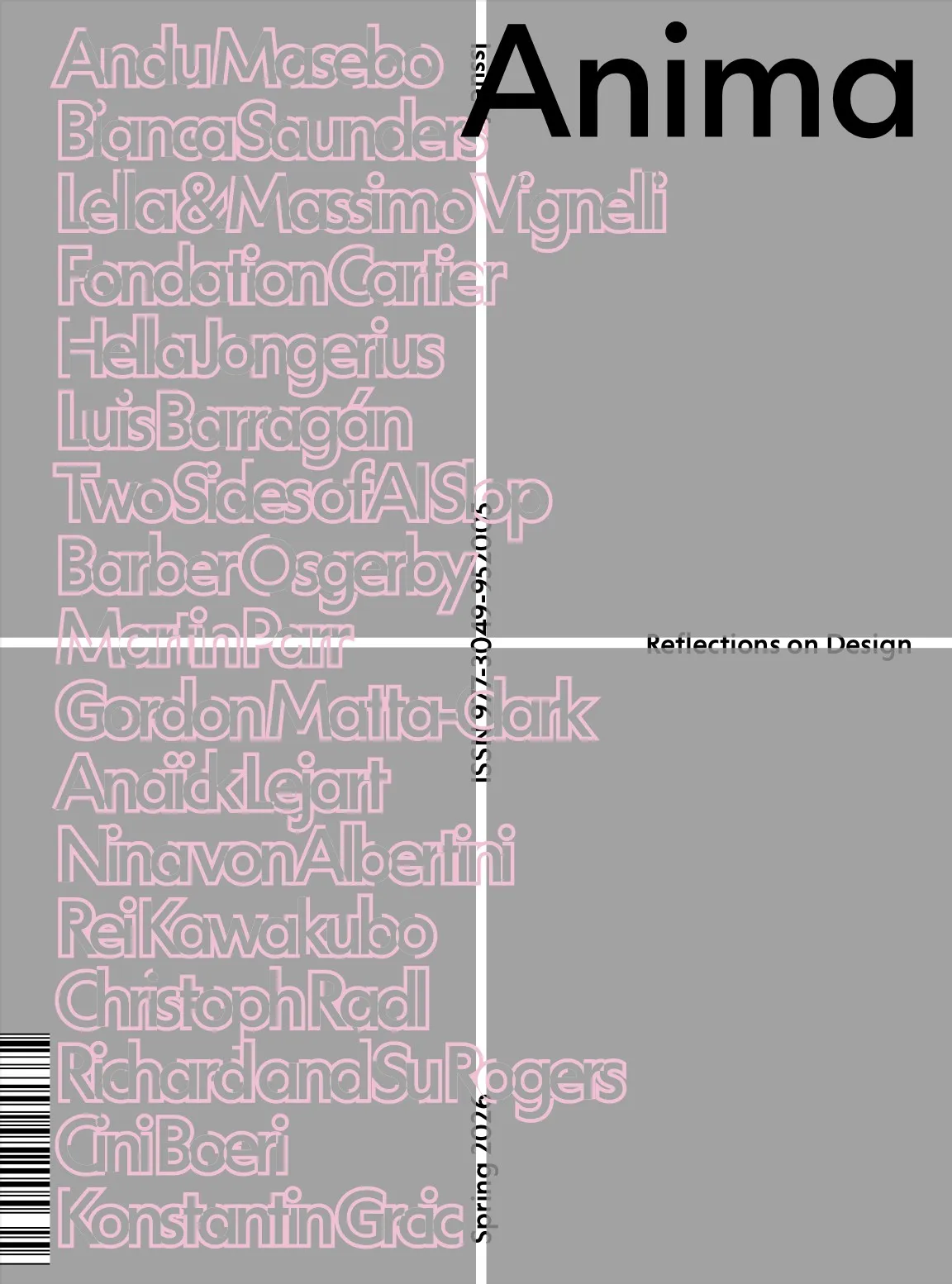
This is Issue 4 of Anima. In this edition, we turn our attention to institutions, legacies and the individuals who shape how design is seen, understood and remembered. At the Triennale Design Museum in Milan, an ambitious programme under Stefano Boeri and Marco Sammicheli has reasserted the relevance of archives and exhibitions alike. We explore two major retrospectives staged during Milan Design Week: a survey of Lella and Massimo Vignelli, whose rigorous modernism reshaped graphic design on both sides of the Atlantic, and a closer look at the work of Edward Barber and Jay Osgerby.
Elsewhere, we consider how design operates as a cultural practice as much as a commercial one. Bianca Saunders and Andu Masebo, both working in London across fashion and furniture respectively, reflect on identity, making and the city as a source of influence. We also turn to contemporary anxieties around technology, with an opinion piece unpacking the limitations and implications of so-called ‘AI slop’.
The Czech photographer Adam Štech heads to Mexico for this issue to look at the lesser-known aspects of Luis Barragán’s remarkable architecture. Christof Radl, art director for Ettore Sottsass’ magazine Terrazzo talks about his career to Italian curator Francesco Bonami, Dalia Al-Dujaili explores the legacy of Iraqi modernist graphic design, and Ayla Angelos reflects on the work of the late Martin Parr, the English photographer of daily life. Hella Jongerius discusses her pursuit of imperfection, and Anima visits one of the most radical modern houses of the 1970s, designed by Richard Rogers and now entering the care of the National Trust, which is set to become part of Britain’s historic heritage.